Merry Christmas My Friend: A Designer’s Hands-On Review
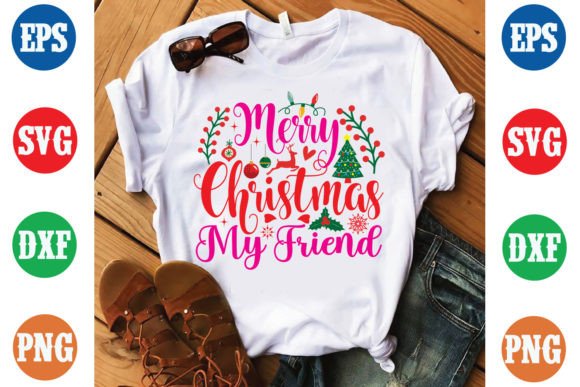
When you’re choosing an embroidery design for a real project—whether it’s for a client order, your craft business inventory, or a special holiday gift—the first impression is everything. It’s the gut feeling that tells you if a design will stitch out beautifully or become a frustrating endeavor. Opening the “Merry Christmas My Friend” embroidery file, I immediately got a sense of cheerful, casual warmth. The layout feels friendly, not overly formal, which is perfect for creating gifts that feel personal rather than generic.
The Mood It Creates & Where It Naturally Belongs
This design has a visual personality that leans into the joy of friendship during the holidays. It’s not about grand spectacle; it’s about a heartfelt message. That makes it a natural fit for personalized gifts and small shop merchandise aimed at friends, families, or coworkers. Think of a custom embroidered tote bag for a best friend’s Christmas present, or a cozy sweatshirt for a holiday brunch. The theme invites a smile, not just a nod of acknowledgment.
For embroidery designers and makers, this means the design translates into products with strong giftability. A customer browsing your Etsy shop or craft fair table sees this on a pillow cover or tea towel and immediately thinks, “That’s perfect for Susan.” It fosters a connection. From a practical standpoint, the detail level appears balanced—not so simplistic that it looks cheap, nor so intricate that it becomes a stitching challenge on everyday items.
Performance in Real-Life Embroidery Projects
Let’s walk through a real scenario. Imagine you’re preparing a batch of embroidered kitchen towels as holiday merchandise for your boutique. You need a design that stitches cleanly on a often-textured fabric, reads clearly from a few feet away, and feels special enough to justify the price. Here’s how “Merry Christmas My Friend” stacks up.
On custom apparel like t-shirts and sweatshirts, the layout should allow for good stitch clarity, provided the lettering is sized appropriately in your machine embroidery software. It would shine on a heavyweight cotton sweatshirt where the stitches can sit prominently. For tote bags and aprons, the friendly message adds a wonderful personal touch to functional items. On baby clothes or nursery decor, it becomes a sweet, sentimental piece—though you’d need to carefully consider scale for smaller items like baby bibs.
As an embroidered patch, this design could be fantastic. The theme is self-contained and would work beautifully stitched onto a blank patch for a cap or backpack. For home decor like pillow covers or blankets, it creates a cozy, inviting atmosphere. In all these cases, the design’s strength is its emotional resonance, which directly boosts customer engagement and the perceived value of your handmade product.
Where to Use It Carefully: A Realistic Checklist
No design is universally perfect, and honest evaluation saves time and thread. Based on its apparent composition, here are situations where I’d proceed with extra caution.
- Small hoop sizes: If the design contains fine details or small lettering, cramming it into a very small hoop for a cap or baby item might compromise clarity. Always test on scrap first.
- Textured or stretchy fabric: Fabrics like terry cloth (for towels) or activewear knits require diligent stabilizer choice. The stitch density needs to be appropriate to prevent puckering.
- Dark fabric backgrounds: The mood is light and cheerful. If stitching on dark fabric, you must plan your thread color contrast strategically to keep the message vibrant and readable.
- Dense stitch areas: If any section of the design uses heavy fill stitches, be mindful of wearability on frequently washed items like apparel. High density can make fabric stiff.
- Curved surfaces: Embroidering directly on a curved cap brim requires design adaptation. Consider creating a flat patch instead for complex designs.
The key is to remember that the embroidery file is a blueprint; your skill in pairing it with the right materials and techniques determines the finished product.
Affecting Your Craft Business: Beyond the Stitches
Using a design like this in your commercial embroidery or craft business has ripple effects. It affects brand consistency. If your shop specializes in friendly, personalized holiday items, this design aligns perfectly. It builds customer trust because the finished product looks intentional and well-made, not random.
For digital product sellers offering this as part of a Print Templates or Graphics bundle, providing realistic, stitched-out photos or high-quality printable mockups for your listings is crucial. Buyers need to visualize it on a real sweatshirt or tote bag. The design’s appeal directly influences their purchase decision.
Practical Designer Notes Before You Hoop Anything
Before I commit to a project, my routine involves a few non-negotiable steps. I recommend you adopt them for “Merry Christmas My Friend” or any new design.
- Test on scrap fabric first. Use the exact fabric type you plan for the final product. Check for stitch density issues, clarity of small details, and overall appearance.
- Review it in black and white mockups. This helps assess the design’s form and layout independently of color, which is vital for understanding its structure.
- Compare light and dark fabric backgrounds. See how the design feels in both scenarios. Does it hold its personality on a black tee as well as a cream towel?
- Confirm licensing. The product description mentions uniqueness and originality. Before selling any finished items or commercial embroidery projects using this design, verify the license terms to ensure your use is permitted.
- Check all technical specifics. Since exact stitch count, file formats, and hoop size compatibility aren’t detailed here, it’s imperative to review the actual embroidery file properties in your software before starting.
Embroidery is a blend of art and practicality. A design with a strong emotional core like “Merry Christmas My Friend” gives you the art. Your job as a maker is to apply the practicality—the right stabilizer, the perfect thread colors, the optimal placement—to transform that digital file into a tangible product that truly delights.