A Designer’s Hands-On Review of This World Down Syndrome Day Design
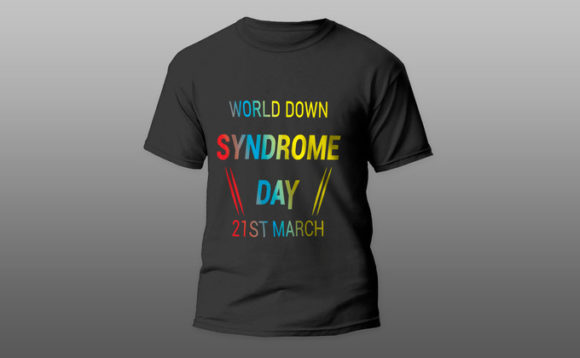
When a design lands in my inbox, my first question is always: how will it live in the real world? For this World Down Syndrome Day T-Shirt Design, that means imagining it not just as a graphic on screen, but as stitches on fabric. I’m looking at it from the perspective of an embroidery designer who needs a reliable, beautiful asset for client projects, small shop merchandise, and heartfelt gifts.
The Immediate Visual Impression: Modern, Inclusive, and Ready to Stitch
Right away, the design strikes a balance between modern simplicity and meaningful symbolism. It doesn’t shout; it communicates with clean shapes and a thoughtful layout. This isn’t a cluttered, overly detailed graphic. That’s a huge advantage for embroidery, where overly intricate lines can become muddy or require impractical stitch counts. The visual personality is uplifting and clear, which translates perfectly into an embroidered piece that feels both celebratory and professional.
The mood it creates is one of awareness and inclusion, making it a natural fit for projects intended as gifts or for awareness campaigns. I can instantly picture it on a tote bag for a charity event, a cozy sweatshirt for a family member, or a delicate piece on a baby’s blanket. Its aesthetic belongs to projects that carry emotional weight.
Real-World Embroidery Scenarios: Where This Design Thrives
Let’s walk through a specific scenario. Imagine you’re preparing a custom embroidered tote bag for a small boutique supporting a local Down syndrome advocacy group. You need a design that stitches cleanly, reads well from a distance, and feels high-value. This design, with its likely use of bold, defined shapes, would translate beautifully into satin stitches for outlines and fill stitches for larger areas. On a sturdy canvas tote, it would hold its structure and visual impact.
It’s equally suited for softer applications. On a baby onesie or a pillow cover, the design would become a gentle, textured feature. For an Etsy seller creating a line of awareness-themed patches, this graphic could be adapted into a dense, detailed embroidered patch because the provided file formats—especially the SVG and AI files—allow for clean scaling and editing. The inclusion of CMYK color mode files is a thoughtful touch for sellers who also create printable mockups or digital product previews to accompany their physical items.
In broader use, this design performs well for:
- Custom apparel like t-shirts and sweatshirts, where its modern feel elevates basic garments.
- Personalized gifts such as tea towels or aprons, adding a handmade, thoughtful touch.
- Small business merchandise for craft fairs or online shops, where visual clarity builds customer trust and product value.
- Home decor items like pillow covers or nursery decor blankets, where the theme supports a warm, inclusive atmosphere.
Careful Application: Places to Proceed with Caution
No design is universally perfect, and an experienced embroiderer knows to consider the limits. With this World Down Syndrome Day design, pay close attention to its application on certain surfaces and fabrics.
If the design includes any tiny lettering or very fine decorative accents, these areas will need careful hoop stabilization and possibly a reduction in stitch density to prevent puckering on thin or stretchy fabrics. Embroidering on a curved surface like a cap requires testing; some elements might need slight repositioning to look centered when worn.
Dark fabric always demands a review of thread color contrast. Using the design’s color palette as a guide, you might need to adjust specific hues to ensure they pop against a navy or black background. Also, on textured fabrics like some sweaters, finer details could get lost. The key is to test.
Products destined for frequent washing, like kitchen towels or children’s wear, benefit from a robust stitch structure. Review the design’s potential dense stitch areas; overly dense fills can make fabric stiff and less durable over many washes.
How This Design Elevates Your Project and Your Business
Choosing a design like this isn’t just about aesthetics; it’s about project success. When stitched well, this design enhances stitching clarity and visual appeal, which directly increases the perceived value of your finished product. For a creative entrepreneur, that translates to happier customers, stronger brand consistency if you specialize in awareness-themed items, and better buyer engagement in your Etsy listings or at craft fairs.
The handmade presentation feels professional and intentional, which builds trust. As a gift, its clear theme and quality execution make it deeply giftable and recognizable. For commercial embroidery projects, using a well-constructed digital embroidery file from a reliable source underpins your own professionalism.
Practical Notes from the Worktable
Before you hoop that first real item, here’s my standard practice advice for using this or any similar design asset:
- Test on scrap fabric first. Use the same material and stabilizer you plan for the final project. This reveals how stitch density behaves and whether small details stay crisp.
- Check thread color contrast against both light and dark background mockups. Sometimes the on-screen colors need subtle shifts in thread choice.
- Review the design in your embroidery software at your intended hoop size. Inspect corners and any potential dense areas that might need slight adjustment.
- Confirm the licensing of the design file before selling finished items or derived digital products. The product is categorized under Print Templates and Graphics, but always verify the specific terms for commercial use.
- Use proper stabilizer for your fabric type. This is non-negotiable for maintaining the design’s integrity.
- Consider how the design works for both personal and commercial projects. Its versatility is a strength, but clarity on usage rights is essential.
Ultimately, this World Down Syndrome Day T-Shirt Design presents itself as a solid, modern graphic ready for transformation into meaningful stitchwork. It fits naturally into the hands of makers, decorators, and sellers who want to create products that carry a message with quality and care. Its real value will be measured in the texture of the stitches and the reaction of the person who receives the finished, embroidered piece.