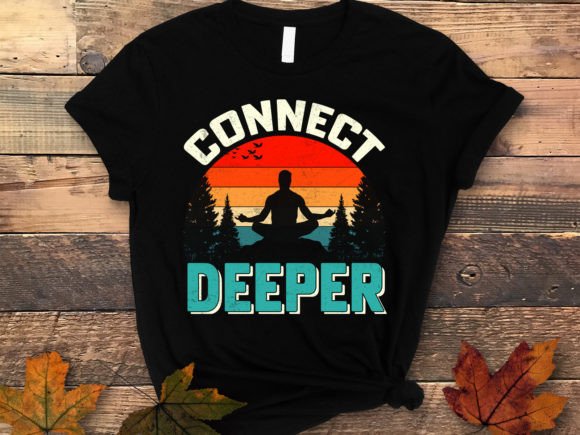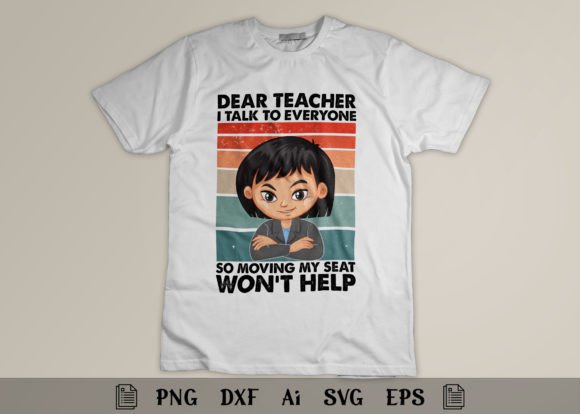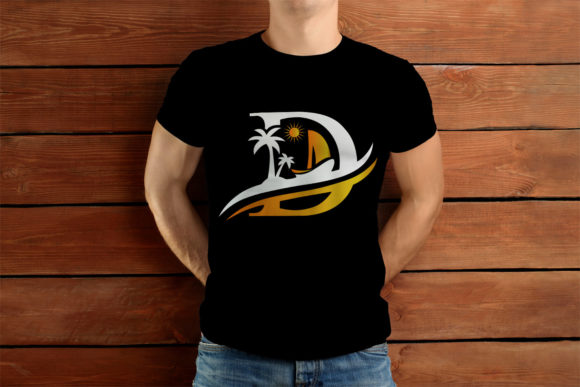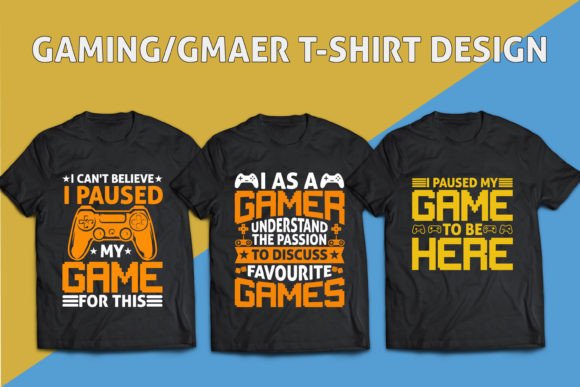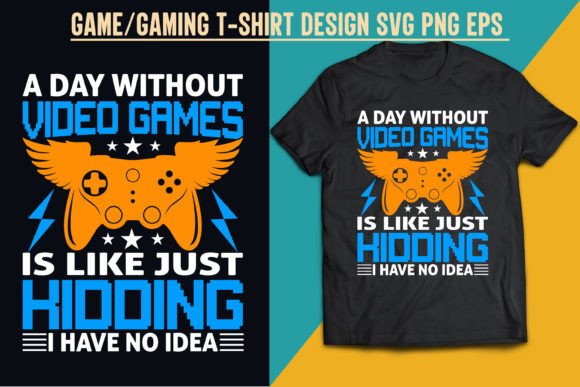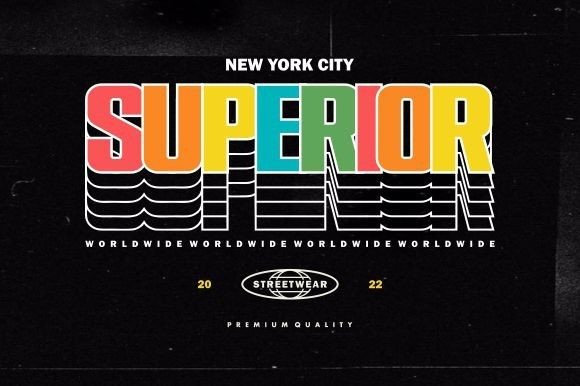
My Shop's Next Graphic Asset for T-Shirt Print Templates
As someone who runs a small digital shop across a few platforms, I constantly evaluate new graphic design assets. I'm always looking for something that feels fresh but also commercially sound. When a new bundle called Graphic Design for T-Shirt Apparel lands on my desk, my first move is to gauge its visual personality. Does it feel bold and modern? Is it playful and cute, or perhaps elegant and rustic? This initial impression tells me exactly which niche buyer it might attract and what kind of mood my product collection will convey.
Beyond the T-Shirt: Testing Across Product Types
The product description mentions SVG and AI files with 300dpi resolution, suited for digital and screen printing. That's a solid starting point. But for a seller, the real value lies in versatility. Before I even consider listing it, I test this graphic design asset across multiple product formats. I'll open the vector files and see how they scale.
First, I check its viability for core merchandise: t-shirt graphics, mug designs, and tote bag prints. Then, I explore digital product spin-offs. Can this artwork become a set of PNG designs for printable wall art or greeting cards? Could the elements be separated to form a clipart bundle or planner stickers? I assess if the style would work for sublimation designs on tumblers or as a decorative print for nursery artwork. The goal is to build a cohesive seasonal bundle or a themed collection for my shop, maximizing the asset's commercial potential.
Practical Application in a Real Shop Scenario
Let's say I'm preparing a spring collection for my Etsy store. I've sourced this Graphic Design for T-Shirt Apparel bundle. My process isn't just about uploading files. I use it to create a range of products. The SVG files are perfect for Cricut projects, allowing me to offer cut-ready sticker designs or scrapbooking kits. The high-resolution AI workspaces let me craft detailed Canva templates or social media graphics for promotion.
I then build product mockups. A strong mockup is everything for customer trust and click-through potential. I apply the designs to t-shirt and mug mockups to see how they look in a realistic setting. This step confirms the visual hierarchy and whether the design feels balanced on the product. It also directly influences my listing images and thumbnail appeal.
Where This Design Asset Excels for Presentation
For product presentation, this kind of graphic design asset works best in large, clear previews. When used in themed bundles, it helps create brand consistency across a collection. It's excellent for decorative layouts in printable products like digital paper packs or invitation templates. For creative marketplace listings on platforms like Creative Fabrica or Shopify, having full-color, professional artwork boosts the perceived value of the entire digital download.
It also becomes a key tool for visual storytelling in social media promos and blog graphics. Using elements from the asset in promotional visuals helps tie my marketing back to the products I'm actually selling, creating a more professional-looking shop ecosystem.
Caution Zones and Necessary Seller Checks
However, not every design is perfect for every application. With this asset, I need to identify where it should be used carefully. If the artwork is highly detailed, it might not work for tiny sticker details where clarity is lost. Overly complex layouts can become muddled in crowded marketplace thumbnails.
I always test how it looks on both white and dark backgrounds to check for weak contrast. For products requiring clean cutting lines, like for Silhouette projects, I must inspect the SVG cut quality specifically. If the design is text-heavy or has fine decorative elements, I verify it holds up in low-resolution print products before offering it as a physical item via print-on-demand services.
Essential Pre-Publishing Steps for Sellers
Before I publish anything, my seller notes are rigorous. I test the design on at least three different real product mockups. I preview the artwork as a small thumbnail to simulate how it will appear in a marketplace search results page. I check PNG transparency if I plan to use it as an overlay.
File organization is crucial for customer satisfaction. I confirm the provided files are clearly labeled and that the 300dpi resolution is consistent. Crucially, I confirm the commercial licensing terms to ensure I can legally sell my finished products.
Typography pairing is another subtle but important step. I experiment with pairing the artwork with different font styles—a sleek sans serif for a modern feel, a playful script font for a handmade business vibe, or a bold display font for strong branding. This helps me create a more complete product mockup and strengthens the small business branding of my listings.
Building a Cohesive Collection with a Single Asset
The ultimate test for a graphic design asset like this is its ability to anchor a collection. Can I use it to create not just a t-shirt design, but also matching social media templates, packaging design elements, and promotional visuals? Does it provide enough flexibility to support a visual identity for a limited-time seasonal launch?
When the artwork is provided in versatile formats like SVG and full-color AI, the answer is often yes. It allows me to scale and adapt elements for different purposes, from a large canvas print to a small blog graphic, maintaining a consistent look that builds customer trust and makes my online shop appear more polished and professional.
In my experience, the value of a digital product like Graphic Design for T-Shirt Apparel isn't just in the files themselves. It's in the commercial design opportunities they unlock. By methodically testing the asset across real product-selling situations—from sublimation designs to digital download bundles—I can assess its true worth for my business and ensure the products I create with it are market-ready, visually appealing, and reliably professional.