A Veteran Father Design for Embroidered Projects
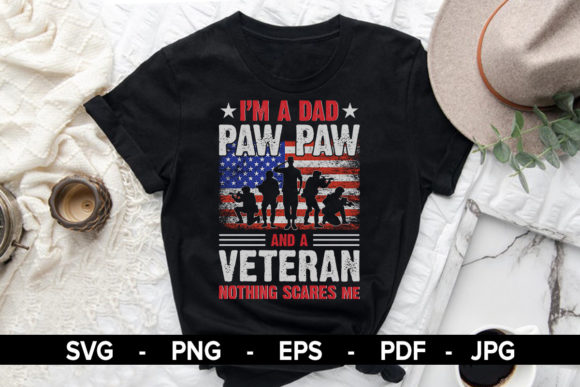
When I first saw the Dad Veteran T-Shirt Design, I stopped thinking about it as a digital file and started imagining it on fabric. This isn't just a graphic; it’s a sentiment waiting to be stitched. The core theme—honoring a father’s service—carries a weight of pride and gratitude, a mood that translates beautifully into handmade goods. The layout feels balanced, with a straightforward, clean personality. It avoids overly intricate detail, which, from an embroidery perspective, is a good sign. It tells me this design belongs on projects meant to be worn, displayed, and cherished.
Where This Design Finds Its True Home
My immediate thought was a custom embroidered sweatshirt or a sturdy tote bag. The design’s message has a durable, timeless quality that pairs well with these kinds of items. For a small business owner or an Etsy seller creating personalized gifts, this would be a strong candidate for a client wanting a unique present for their veteran dad. I also pictured it on a high-quality apron or a pillow cover for a home office—items that speak to a personal story.
For crafters focusing on baby items, consider a simplified version or an applique approach on a blanket. The "Dad" element makes it wonderfully suited for nursery decor from a service member’s family. As a patch, it could be incredibly versatile, added to a cap or a jacket for a custom, military-supporting look. In a boutique setting, this design on a well-made tea towel or kitchen linen becomes a thoughtful, everyday reminder, elevating simple merchandise into meaningful products.
Navigating the Practicalities of Stitching
While the design appears clean, its real-life performance on fabric depends on careful execution. The description notes it’s easy to modify and change colors, which is crucial for embroidery. You’ll want to test thread color contrast, especially if stitching on dark fabrics. A bold, patriotic color palette might work, but a simpler two-tone scheme on a dark navy sweatshirt could also look sharp and professional.
Always test the embroidery file on scrap fabric first. Check the stitch density in any fill areas; too dense can make stiff, uncomfortable patches on stretchy fabrics like t-shirts. For curved surfaces like caps, ensure the design’s scale fits the hoop size comfortably—small, detailed lettering can become lost or blurry on textured fabrics. Using proper stabilizer is non-negotiable here to keep the shapes crisp.
Products like these often need frequent washing. A robust satin stitch outline and sensible fill stitch areas will help the embroidery withstand wear, maintaining that handmade presentation and customer trust in your craft business.
When Caution is the Best Policy
There are scenarios where this design requires a more careful hand. On very thin or stretchy fabric, the overall design area might need to be reduced to prevent puckering. Small hoop sizes could compromise clarity, so scaling down for a baby garment’s tiny sleeve, for example, means inspecting those small details in a test run first.
Layered garments with seams or textured fabrics like some blankets can distort shapes. Also, consider the visual appeal on the final product: a design with this much symbolic value should look impeccable. Before committing to a commercial embroidery project for a client, I’d always run a sample on both light and dark fabric backgrounds, and even check it in a black and white mockup to judge form independent of color.
Turning a Digital File into a Valued Product
How does this machine embroidery design affect the final product’s value? When stitched well, it transforms a plain item into a narrative piece. This boosts giftability and recognition instantly. For a creative entrepreneur, it offers brand consistency if you specialize in military-family or patriotic-themed goods. The professionalism of the finished product hinges entirely on your embroidery skills and preparation, but the design itself provides a solid, emotive foundation.
For digital product sellers using it in printable mockups or as part of design assets, its high-quality source files are a starting point. But the real buyer engagement comes from showing it applied—a mockup of it embroidered on a real tote bag speaks louder than a standalone graphic.
Essential Notes for the Embroidery Designer
Before loading the file, remember this is a Graphics product from the Print Templates category. The description provides useful features like easy color modification and high-quality resolution, which are great for adaptation. However, key specifics for embroidery are not listed. You must confirm the practical details yourself: actual stitch count, compatibility with your machine embroidery design software, and most importantly, the licensing terms.
Always confirm whether the design works for both personal and commercial projects before selling finished items. This is a critical step for any small shop product or craft business. Use the flexibility of the file to your advantage—adjust colors to match your thread inventory, simplify elements if needed for a smaller hoop, but always preserve the clear, respectful mood of the original.
In the end, the Dad Veteran T-Shirt Design feels like a reliable, heartfelt tool for makers. It’s not overly complex, which in embroidery terms is often a strength. It invites you to add your craft, to make it tangible, and to create something that carries a story far beyond the stitches. That’s the kind of design that sustains a handmade business and delights a customer, one thoughtfully embroidered project at a time.